



Warning Signs Your Underground Water Line in Dawsonville May Be Failing
Most homeowners don't think about the pipe buried under their yard until something goes wrong. That underground water line connecting your house to the municipal supply? It's doing heavy lifting every single day — and when it starts to fail, the damage doesn't announce itself with flashing lights. It shows up as a weird puddle in the lawn, a spike in your water bill, or pressure that suddenly drops for no clear reason. By the time you notice, the problem's often been brewing for weeks.
So here's what matters. If you catch the warning signs early, you can avoid a full-blown disaster. Miss them, and you're looking at foundation issues, wasted water, and repair bills that climb fast. Every symptom has a cause. Every delay makes it worse. And every decision you make should be grounded in what's actually happening underground — not what you hope is going on.
Your Bill Jumps Without Explanation
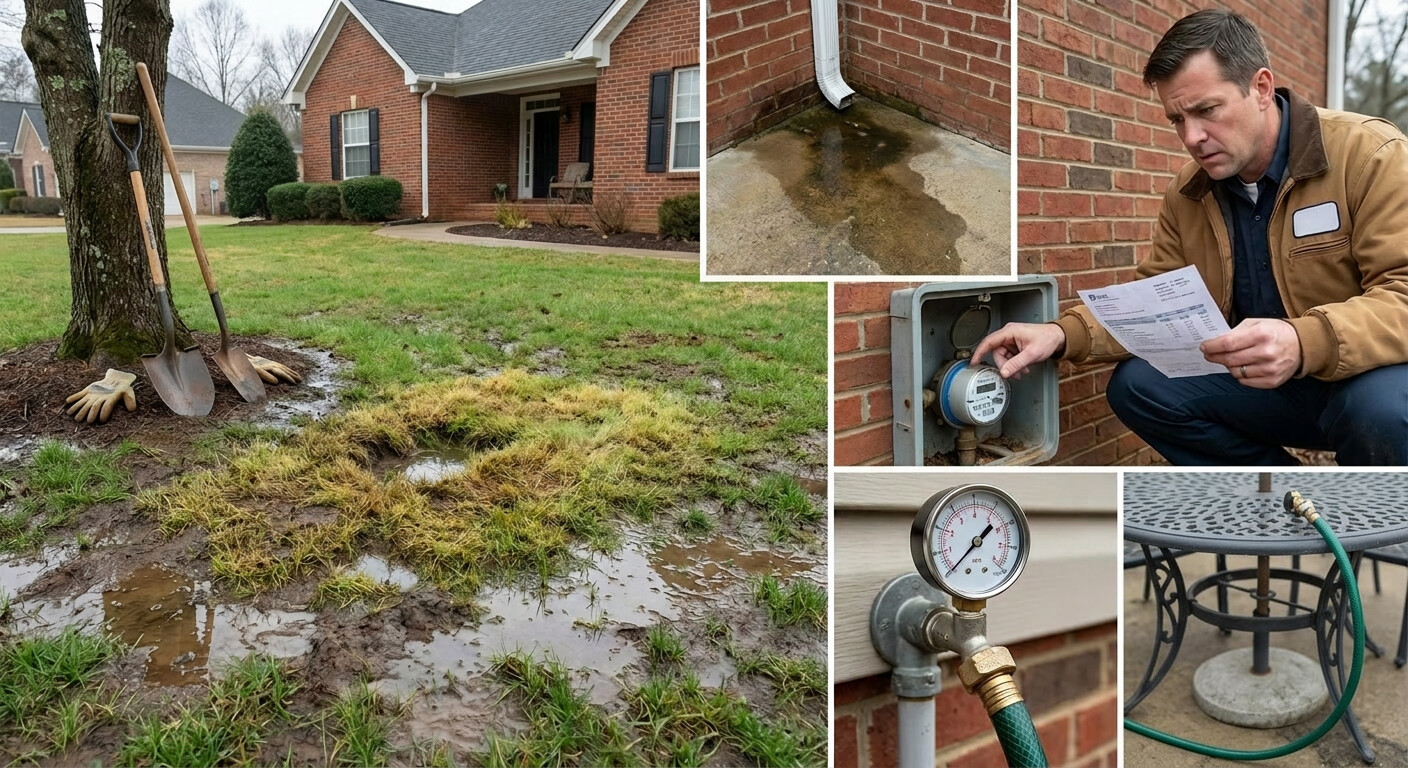
Water bills don't lie. If your usage hasn't changed but the charges have doubled, something's leaking. Underground breaks can bleed thousands of gallons before you ever see a drop on the surface. The meter keeps spinning, the city keeps billing, and you're paying for water that's soaking into dirt instead of coming out of your faucet.
This is one of the earliest red flags. Don't brush it off as a billing error. Compare your current statement to the last six months. If the pattern's off and nothing else explains it, the problem's likely buried.
Pressure Drops Across the Whole House
Low water pressure in one fixture? That's usually a clog or a bad valve. Low pressure everywhere? That's a different story. When the main line develops a crack or a break, water escapes before it ever reaches your home. What's left limps through at a fraction of normal flow.
If you've ruled out municipal issues and your neighbors aren't complaining, the fault's on your property. And if the pressure keeps dropping, the leak's getting worse.
Wet Spots Show Up Where They Shouldn't
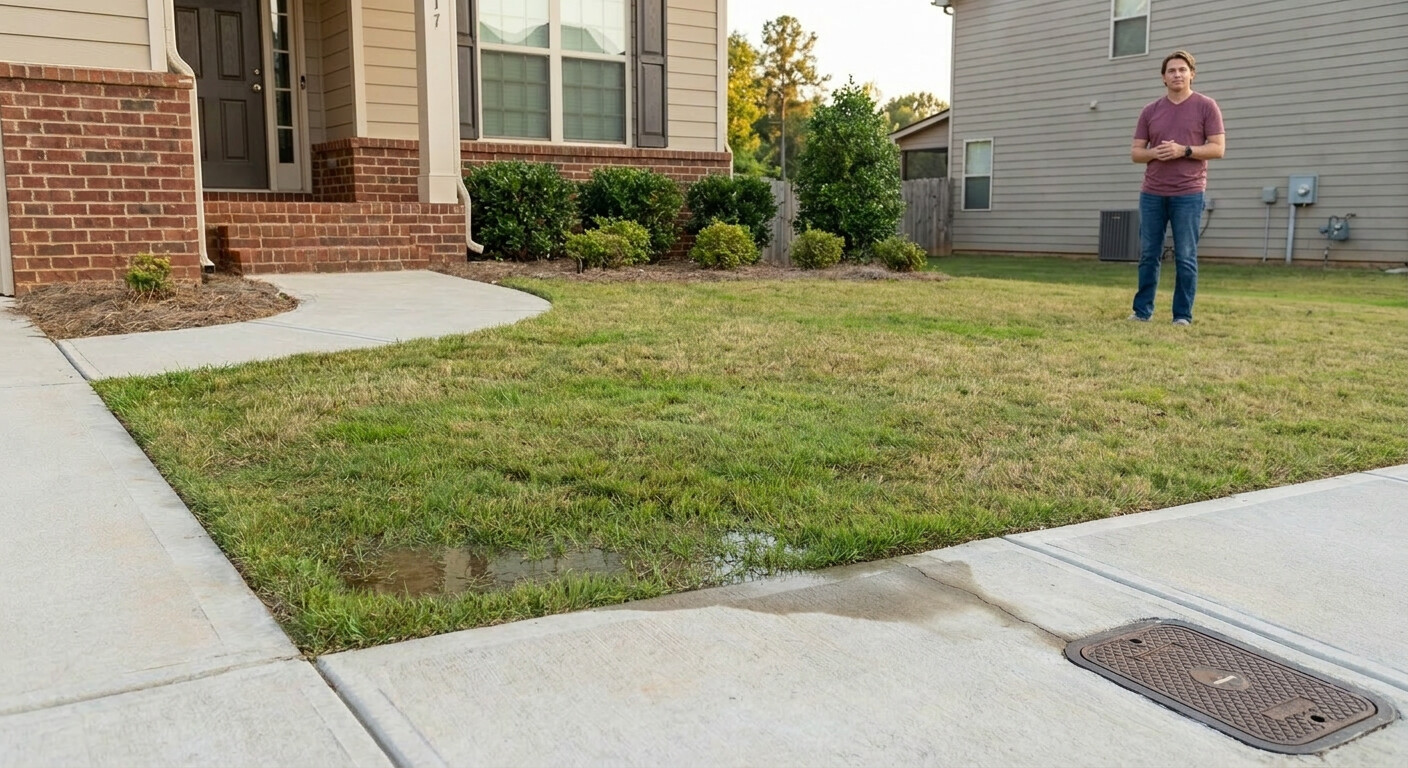
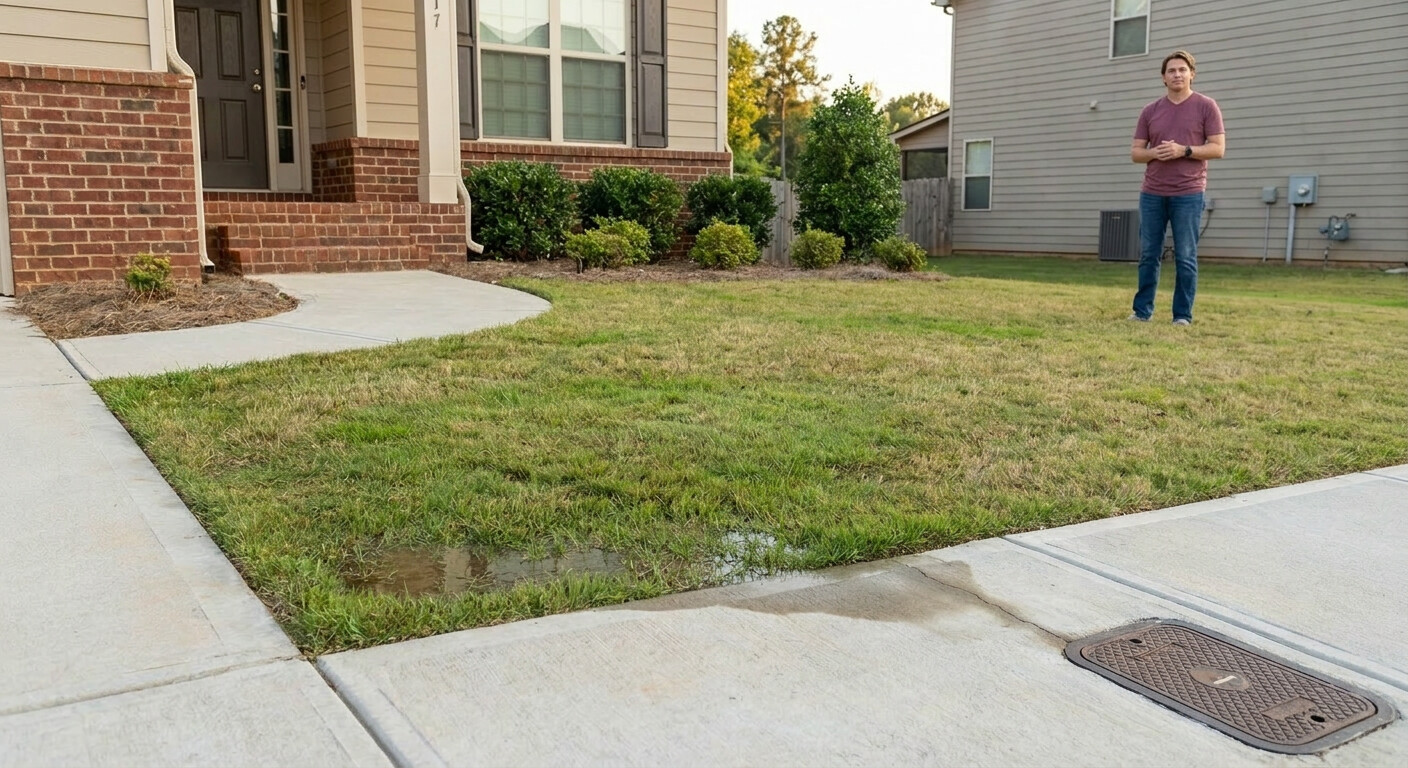
Notice a patch of grass that's greener than the rest? Or a soggy area that won't dry out, even when it hasn't rained in days? That's water pooling from below. A failing line saturates the soil directly above it, and eventually that moisture works its way to the surface.
Sometimes it's subtle — just a damp spot that doesn't make sense. Other times it's a full puddle sitting in the middle of your yard. Either way, it's not normal. And it's not going to fix itself.
Strange Noises Come From the Pipes
Hissing, gurgling, or bubbling sounds when no water's running? That's air getting into the system or water escaping under pressure. Both point to a breach in the line. The noise might be faint at first, but it's a sign that something's compromised.
Don't wait for it to get louder. By the time the sound becomes obvious, the damage is already significant.
The Water Looks Off
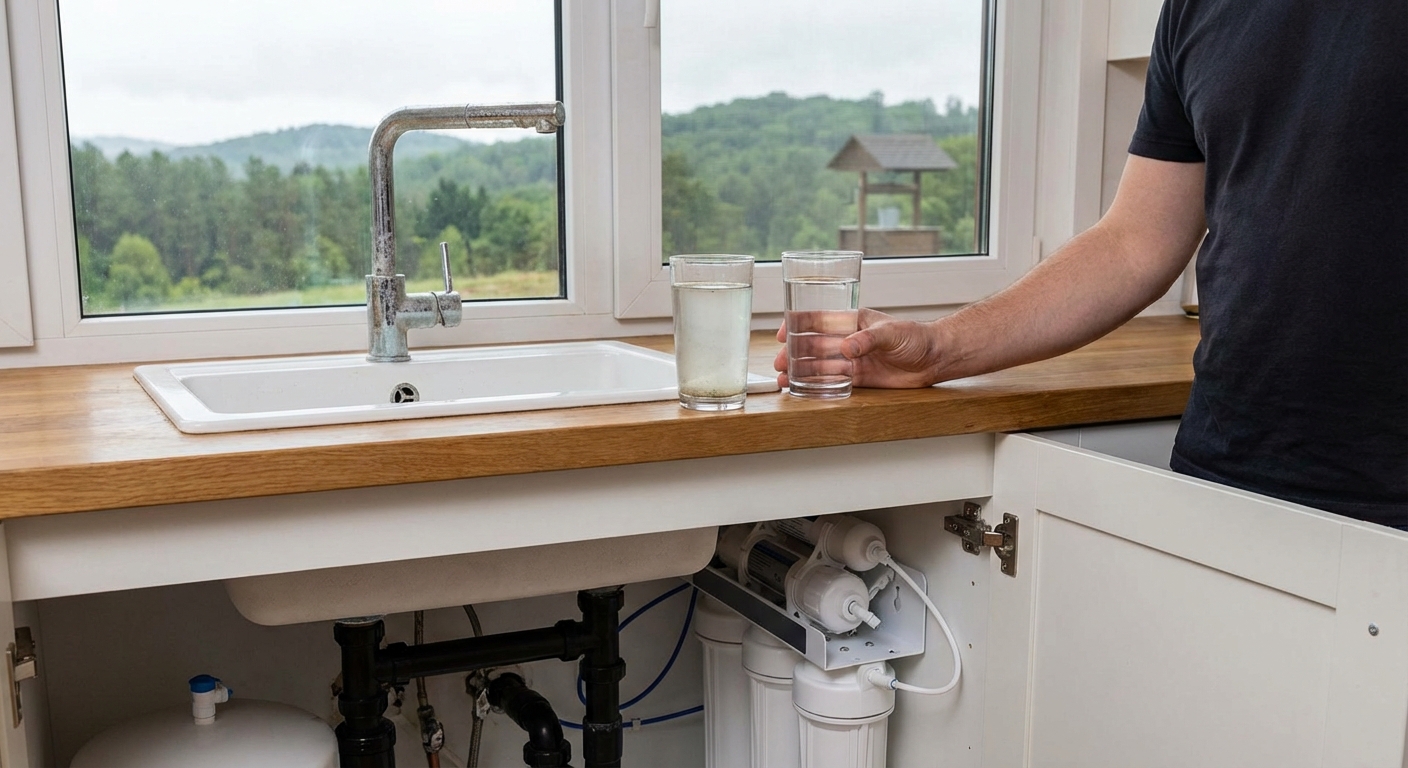
Brown, yellow, or cloudy water coming from your taps is a major warning sign. When a pipe cracks, dirt and debris can enter the line and contaminate your supply. Discoloration can also mean the pipe itself is corroding from the inside out.
If the water clears after running for a minute, it might be sediment in your water heater. If it stays murky, the problem's deeper. Either way, you need to know where it's coming from.
Foundation Cracks or Basement Dampness Appear
In severe cases, a leaking water line can undermine your foundation. Water seeps into the soil around your home, shifts the ground, and creates pressure that leads to cracks. You might also notice dampness in your basement or crawl space that wasn't there before.
This is where a plumbing issue becomes a structural one. If you're seeing foundation damage and you've ruled out other causes, the water line should be at the top of your list.
Water Quality Takes a Dive
Metallic taste? Earthy smell? Water that just doesn't seem right? A compromised line can introduce contaminants that affect both taste and odor. If your water suddenly tastes like rust or smells like dirt, something's getting in that shouldn't be.
This isn't just unpleasant — it's a health concern. Don't assume it's temporary. Get it checked. Professional water filter services can help address contamination issues while you investigate the source.
Sinkholes or Soil Shifts Develop
When a major leak goes unchecked, it can erode the soil around the pipe and create voids underground. Eventually, the surface collapses into those voids, forming sinkholes or noticeable dips in your yard.
This is the extreme end of the spectrum, but it happens. If your landscape is shifting or sinking, you're past the early warning stage. You're in emergency territory.
What You Should Do Next
Suspect a problem? Don't wait to see if it gets worse. Call a licensed plumber who can run a proper inspection. They'll use leak detection equipment, pressure tests, or even video cameras to pinpoint the issue without tearing up your entire yard.
Here's what a solid inspection should include:
- Pressure testing to identify drops in the system
- Acoustic leak detection to locate underground breaks
- Video camera inspection to assess pipe condition
- Soil moisture analysis around the suspected area
- A written report with repair recommendations
Why Acting Fast Saves You Money
The longer you wait, the more expensive the fix becomes. A small crack can turn into a full break. A localized leak can spread and damage your foundation. And every day that passes, you're paying for water you're not using.
Early repairs are almost always cheaper than emergency ones. Plus, you avoid the collateral damage — ruined landscaping, structural issues, mold growth, and all the headaches that come with them. Professional water and sewer line services can diagnose and repair underground line failures before they escalate.
Documentation Protects You Later
If you're dealing with insurance or need to prove the timeline of repairs, documentation matters. Keep records of everything:
- Water bills showing the spike in usage
- Photos of wet spots, puddles, or foundation cracks
- Inspection reports from your plumber
- Repair invoices and warranties
- Any correspondence with your insurance company
This isn't paranoia. It's smart business. If a claim gets gets disputed or a repair needs follow-up, you'll have everything you need to back up your case.
Prevention Beats Panic
You can't stop a pipe from aging, but you can catch problems before they spiral. Schedule periodic inspections, especially if your home is older or you've noticed any of the warning signs. Monitor your water bill for unusual changes. And don't ignore the small stuff — a little dampness today can be a sinkhole tomorrow.
Here's what proactive maintenance looks like:
- Annual plumbing inspections that include the main line
- Regular monitoring of water pressure and quality
- Immediate investigation of any unexplained wet spots
- Keeping trees and shrubs away from the line path
- Knowing the age and material of your underground pipe
When DIY Doesn't Cut It
Some plumbing issues you can handle yourself. A failing underground water line isn't one of them. You need specialized equipment, expertise, and often permits to dig and repair. Trying to save money by going solo usually ends up costing more when the fix doesn't hold or you damage something else in the process.
A licensed pro brings:
- The right tools to locate and assess the problem
- Knowledge of local codes and permit requirements
- Insurance coverage if something goes wrong
- Warranties on parts and labor
- Experience with trenchless repair options that minimize disruption
Trenchless Repairs Are Worth Considering
Not every underground repair requires tearing up your entire yard. Trenchless methods like pipe lining or pipe bursting can fix the problem with minimal excavation. They're faster, less invasive, and often more affordable than traditional dig-and-replace approaches.
Ask your plumber if trenchless is an option for your situation. It won't work in every case, but when it does, it's a game-changer.
Ignoring the Problem Won't Make It Cheaper
Underground water line failures don't resolve themselves. They escalate. What starts as a slow drip becomes a gusher. What begins as a damp spot turns into a foundation issue. And what could have been a straightforward repair becomes a multi-trade emergency involving plumbers, landscapers, and structural engineers.
The warning signs are there for a reason. Pay attention to them. Act on them. And don't let a fixable problem turn into a financial nightmare because you waited too long to pick up the phone. If you need expert help with underground line issues, contact us for a thorough inspection. You can also request a quote to understand your repair options and costs upfront.
Let’s Protect Your Home’s Water Supply Together
We know how stressful it can be when your underground water line starts showing signs of trouble. Let’s work together to keep your home safe and your water flowing smoothly. If you’re seeing any of these warning signs, don’t wait—give us a call at 678-410-4060 or request a quote and let’s get your water line back in top shape before small issues become big headaches.
‹ Back
Recent Posts
-
-
-
What to Do When Your Hot Water Stops Working
April 22, 2026
-
What Well Pump Replacement in Dawsonville Costs
April 8, 2026
-

.png)